
What is SEO? A Complete Guide to Search Engine Optimization
Learn the fundamentals of SEO, how search engines work, and why SEO is essential for online visibility and business growth in 2026.
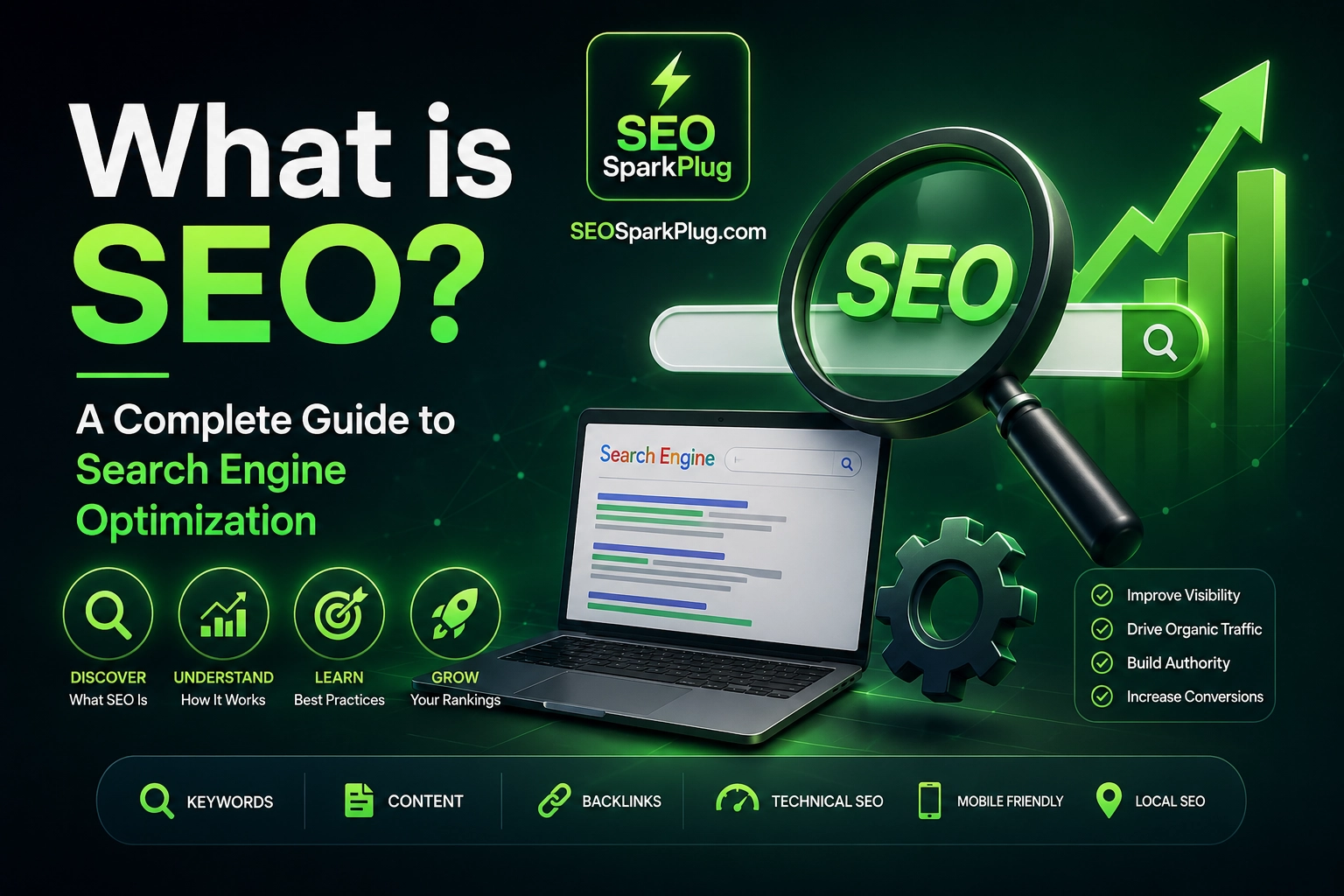
Understanding SEO: The Foundation of Online Visibility
SEO, or Search Engine Optimization, is the practice of optimizing websites and content to improve their visibility in search engine results pages (SERPs). When users search for keywords related to your business, products, or services, SEO helps ensure your website appears prominently in organic search results.
How Search Engines Work
Search engines like Google use complex algorithms to crawl, index, and rank billions of web pages. The process involves three main steps:
- Crawling: Search engine bots (crawlers) discover and scan web pages across the internet, following links and analyzing content.
- Indexing: The discovered pages are stored in massive databases, where search engines analyze their content, keywords, and structure.
- Ranking: When users search, search engines evaluate indexed pages using hundreds of ranking factors to determine the most relevant and valuable results.
Types of SEO Optimization
On-Page SEO
On-page SEO focuses on optimizing elements within your website that you have direct control over. This includes:
- Title tags and meta descriptions: These are crucial for SEO ranking as they appear in SERP listings and help search engines understand your page content.
- Keyword optimization: Strategic placement of target keywords in headings (H1, H2, H3), content, and meta tags.
- Content quality: Creating valuable, informative, and engaging content that answers user queries.
- Header structure: Proper use of H1, H2, and H3 tags to organize content hierarchically.
- Image optimization: Using descriptive alt tags and optimized file sizes.
- Internal linking: Connecting related pages to improve site navigation and SEO value distribution.
Technical SEO
Technical SEO ensures search engines can efficiently crawl and index your site. Key technical SEO elements include:
- Page speed: Fast loading times are critical for SEO ranking and user experience.
- Mobile optimization: With mobile-first indexing, ensuring your site is responsive and mobile-friendly is essential.
- Schema markup: Structured data helps search engines understand your content better and can result in rich snippets in SERPs.
- Site architecture: Clean URL structure, sitemaps, and robots.txt files.
- SSL certificates: HTTPS security is a ranking factor and builds user trust.
Off-Page SEO
Off-page SEO involves activities outside your website that influence your SEO ranking:
- Backlinks: Quality links from authoritative websites signal to search engines that your content is valuable and trustworthy.
- Social signals: While not a direct ranking factor, social sharing can drive traffic and visibility.
- Local SEO: For businesses with physical locations, optimizing for local search results.
Why SEO Matters
SEO is not just about ranking higher in search results; it's about connecting with your target audience when they're actively searching for what you offer. Effective SEO strategies drive organic traffic, which typically has higher conversion rates than paid advertising. Additionally, SEO provides long-term value—unlike paid ads that stop working when you stop paying, well-optimized content can continue ranking and generating traffic for years.
Getting Started with SEO
To begin your SEO journey, start by understanding your target keywords, analyzing your current SEO score, and identifying optimization opportunities. Use SEO tools and SEO dashboards to track your progress, monitor keyword rankings, and measure improvements in organic search traffic.
Remember, SEO is an ongoing process. Search engine algorithms evolve constantly, and staying ahead requires continuous monitoring, optimization, and adaptation to new SEO best practices.
Related guides

SEO Basics: What Is Google AdWords and How It Affects SEO
Discover how Google Ads works, the relationship between paid advertising and organic SEO, and how they improve overall search visibility.
Read article →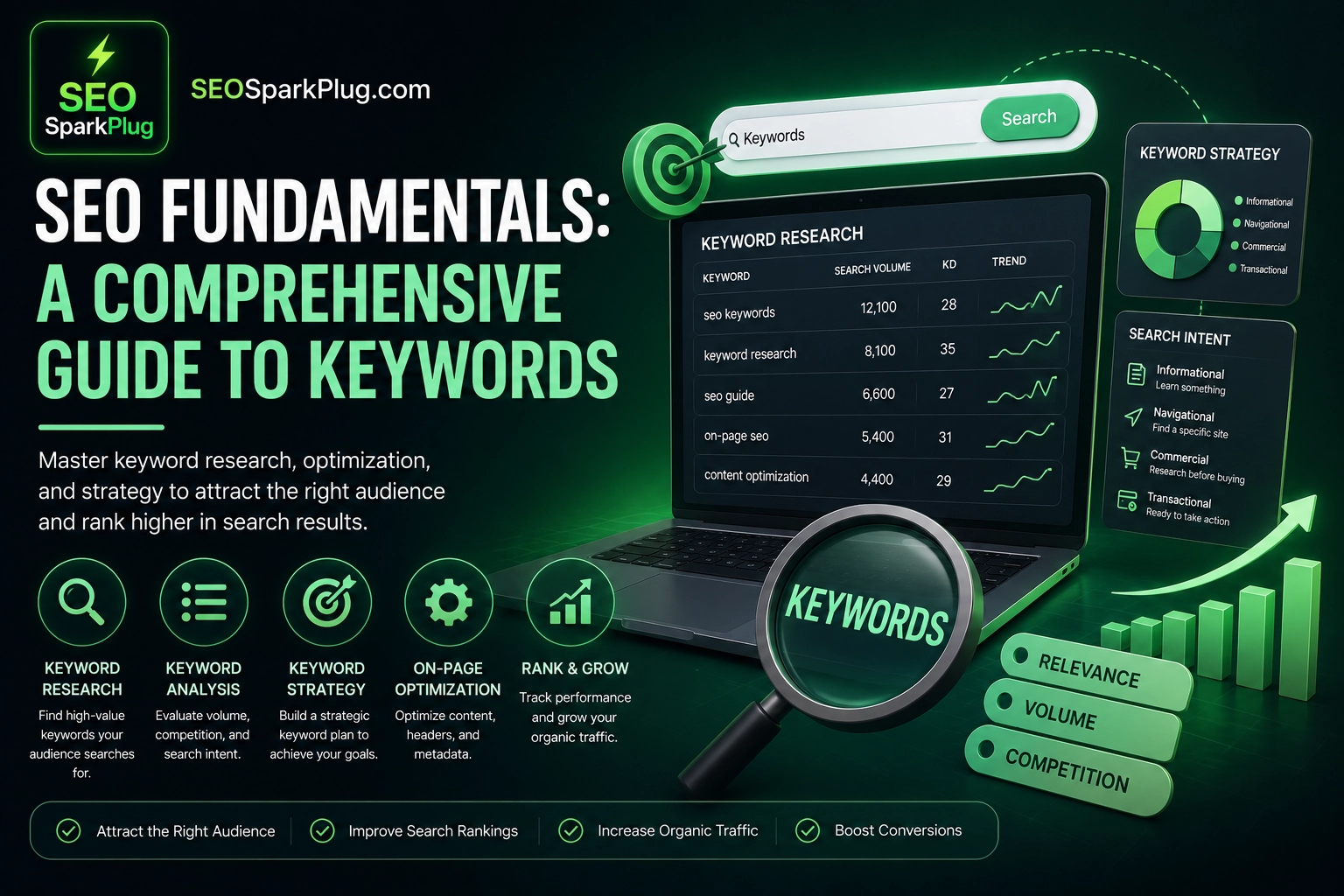
SEO Fundamentals: A Comprehensive Guide to Keywords
Learn how keywords form the foundation of SEO, how to conduct keyword research, and why targeting the right terms drives organic traffic.
Read article →